
DIY Mental Health: Simple Techniques You Can Practice at Home
SK
Understanding DIY Mental Health
In today's fast-paced world, taking care of our mental health is more important than ever. While professional help is invaluable, there are several simple techniques you can practice at home to maintain and improve your mental well-being. These DIY methods can complement professional care or serve as a stand-alone practice for those seeking to enhance their mental health.
Mental health is not just the absence of mental illness; it's a state of well-being that allows you to manage stress, work productively, and contribute to your community. By incorporating some easy practices into your daily routine, you can foster a healthier mind and a more balanced life.

Mindful Meditation
Mindful meditation is a powerful tool that can help reduce stress and improve your overall mental clarity. Even dedicating just a few minutes a day to meditation can have a profound impact. Find a quiet space, sit comfortably, and focus on your breath. Let your thoughts come and go without judgment, returning your focus to your breathing.
There are various guided meditation apps available that can assist beginners in developing a consistent meditation practice. The key is to start small and gradually increase the duration as you become more comfortable with the process.

Breathing Exercises
Breathing exercises are another simple yet effective way to manage stress and anxiety. Techniques such as deep breathing or the 4-7-8 method can help calm your mind and body. To practice the 4-7-8 method, inhale through your nose for four counts, hold your breath for seven counts, and exhale through your mouth for eight counts. Repeat this cycle several times to experience relaxation.
Journaling for Mental Clarity
Journaling can be a therapeutic practice that allows you to express your thoughts and emotions freely. It helps in organizing your thoughts and gaining clarity on issues that may be bothering you. Set aside a few minutes each day to write about your feelings, goals, or anything that comes to mind. Over time, journaling can provide insight into patterns or triggers that affect your mental health.

Gratitude Journaling
In addition to regular journaling, consider maintaining a gratitude journal. Each day, jot down a few things you are thankful for. This practice shifts your focus to the positive aspects of life, fostering a sense of appreciation and contentment.
Physical Activity and Mental Health
Regular physical activity is crucial for maintaining mental well-being. Exercise releases endorphins, which are natural mood lifters. Whether it's a brisk walk, yoga session, or a home workout, finding a physical activity that you enjoy can significantly reduce stress and improve your mood.
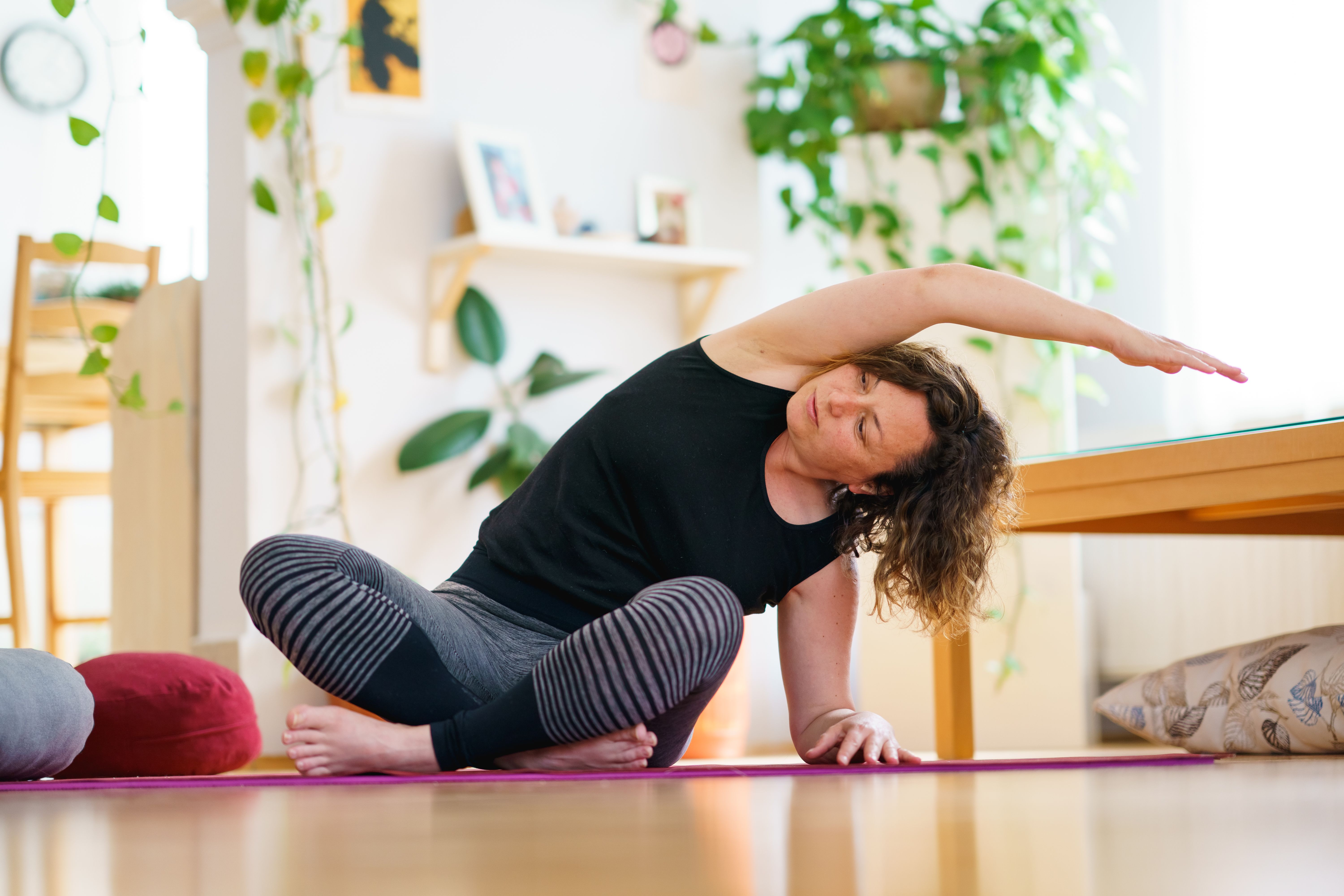
Consistency is key, so aim to incorporate some form of physical activity into your daily routine. Even small changes, like taking the stairs instead of the elevator or stretching during breaks, can make a difference.
The Power of Social Connections
Maintaining social connections is essential for mental health. Even if it's a simple phone call or video chat, interacting with friends and family can provide support and reduce feelings of isolation. Make it a habit to reach out to your loved ones regularly.
Engaging in community activities, joining clubs, or participating in online forums with like-minded individuals can also foster a sense of belonging and support.

Incorporating these DIY mental health techniques into your daily life can lead to a more balanced and fulfilling existence. Remember, the journey to mental well-being is continuous, and small, consistent efforts can lead to significant improvements over time.
Counselling can offer a safe, supportive space to explore your feelings and begin your journey back to yourself. To learn more about how I can support you visit my website and
🔗 Book a session at https://sparkofclaritycounselling.com/contact