
Myths About Workplace Stress: What You Need to Know
SK
Understanding Workplace Stress
Workplace stress is a common issue that affects employees across various industries. Despite its prevalence, there are numerous myths surrounding this topic that can hinder effective stress management. By debunking these myths, individuals and organizations can create a healthier work environment.
Stress is not just a personal issue; it impacts productivity, engagement, and overall well-being. Learning the truth behind these misconceptions is crucial for promoting mental health at work.

Myth 1: Stress is Always Bad
Many people believe that all stress is harmful, but this isn't entirely true. While chronic stress can lead to negative health outcomes, short-term stress can actually be beneficial. It can enhance focus, boost energy, and improve performance under pressure. The key is managing stress levels to prevent burnout.
Understanding the difference between helpful and harmful stress can empower employees to harness stress positively, leading to increased resilience and productivity.
Myth 2: Only Weak People Get Stressed
Another common myth is that stress only affects those who are weak or unable to handle pressure. In reality, stress can impact anyone, regardless of their strength or resilience. Even the most capable individuals can experience stress due to factors like workload, deadlines, or interpersonal conflicts.
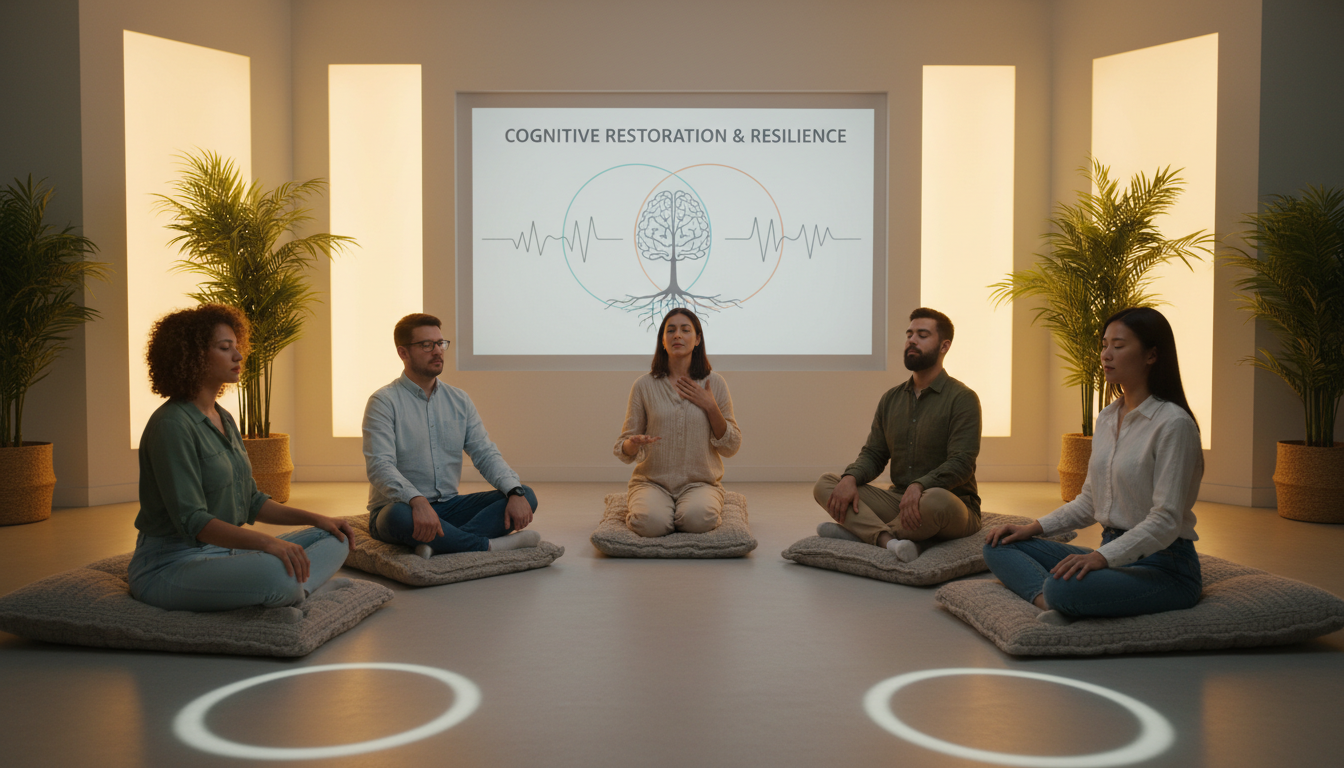
Recognizing that stress is a natural response to challenging situations is essential for reducing stigma and encouraging open discussions about mental health in the workplace.
Myth 3: Talking About Stress Makes It Worse
Some people avoid discussing their stress levels because they fear it will exacerbate the problem. However, open communication is a crucial step in managing stress effectively. Sharing concerns with colleagues or supervisors can lead to solutions and support systems that alleviate stress.
- Encourage regular check-ins with team members.
- Implement stress management workshops.
- Create a culture of openness and empathy.
Myth 4: Stress Comes Only from Work
It's a misconception that stress is solely work-related. External factors such as personal life issues, financial concerns, or health problems can also contribute to workplace stress. Employers should consider the whole person and not just their role at work when addressing stress.

By offering resources like employee assistance programs and flexible work arrangements, organizations can support employees in managing both work and personal stressors.
Taking Action
Debunking these myths is the first step in creating a supportive work environment. Employers and employees alike can benefit from recognizing the realities of stress and taking proactive measures to address it.
With the right strategies and support, workplace stress can be managed effectively, leading to a more productive and harmonious work environment for everyone.
To learn more about how I can support you, (online, Australia-wide), visit my website and book a free 15-minute discovery call or
🔗 Book a session at https://sparkofclaritycounselling.com/contact