
Navigating Workplace Stress: A Guide to Finding Balance and Fulfillment
SK
In today's fast-paced world, workplace stress has become a common challenge for many professionals. Finding the right balance between work responsibilities and personal life is crucial for maintaining mental and physical well-being. This guide provides practical tips to help you manage stress and find greater fulfillment in your career.

Understanding Workplace Stress
Workplace stress can stem from various sources, such as heavy workloads, tight deadlines, and interpersonal conflicts. Recognizing these stressors is the first step toward managing them effectively. By understanding what triggers your stress, you can develop strategies to address it proactively.
Identifying Stress Triggers
Take some time to reflect on your daily routine and pinpoint specific situations that cause stress. Common triggers might include excessive multitasking, lack of control over tasks, or unclear expectations. Once you've identified these, you can begin to tackle them head-on.
Practical Strategies for Managing Stress
Developing effective stress management techniques is key to finding balance. Consider implementing the following strategies:
- Prioritize Tasks: Focus on completing the most important tasks first to reduce feelings of overwhelm.
- Set Boundaries: Establish clear boundaries between work and personal time to ensure adequate rest and recovery.
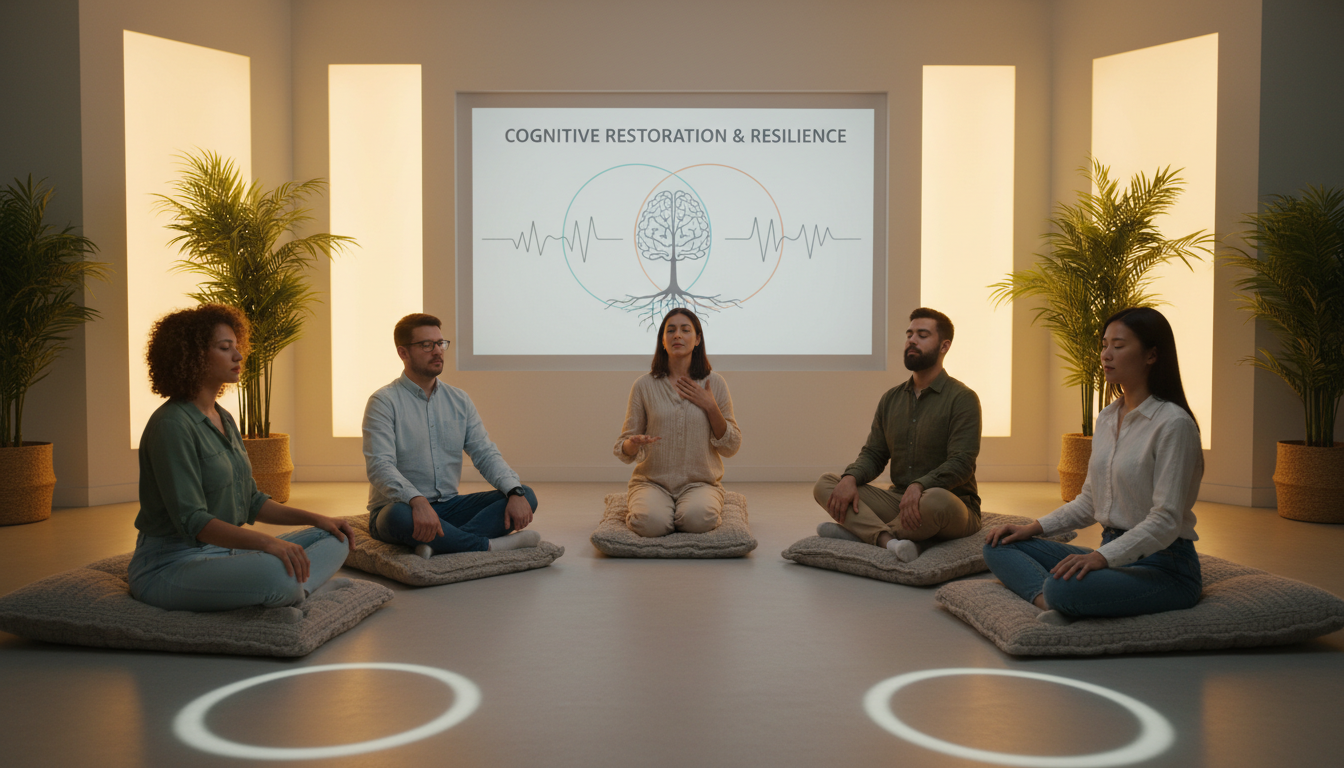
- Practice Mindfulness: Incorporate mindfulness exercises, such as meditation or deep breathing, into your daily routine.
These strategies can help you maintain a sense of control and reduce the impact of stress on your life.

Building a Supportive Work Environment
A supportive work environment can significantly impact your stress levels. Building strong relationships with colleagues and fostering open communication can create a more positive workplace atmosphere.
Encouraging Open Communication
Promote a culture of transparency where team members feel comfortable expressing their concerns and ideas. Regular team meetings and feedback sessions can enhance understanding and cooperation among colleagues.
By cultivating a supportive network, you can create a more harmonious and stress-free work environment.
Striving for Work-Life Balance
Achieving work-life balance is essential for long-term fulfillment. It involves dedicating time to personal interests and relationships, in addition to professional responsibilities.
Setting Realistic Goals
Set achievable goals for both work and personal life. This ensures you’re making progress without sacrificing well-being. Remember to celebrate small victories along the way.
By integrating these approaches, you can navigate workplace stress more effectively and lead a more balanced, fulfilling life.
Need more guidance? To learn more about how I can support you, (online, Australia-wide), visit my website and book a free 15-minute discovery call or
🔗 Book a session at https://sparkofclaritycounselling.com/contact