
Top Myths About Virtual Therapy Sessions Debunked
SK
Virtual Therapy: Separating Fact from Fiction
As more people turn to virtual therapy sessions, misconceptions about their effectiveness and suitability continue to circulate. It's crucial to address these myths to help individuals make informed decisions about their mental health care.
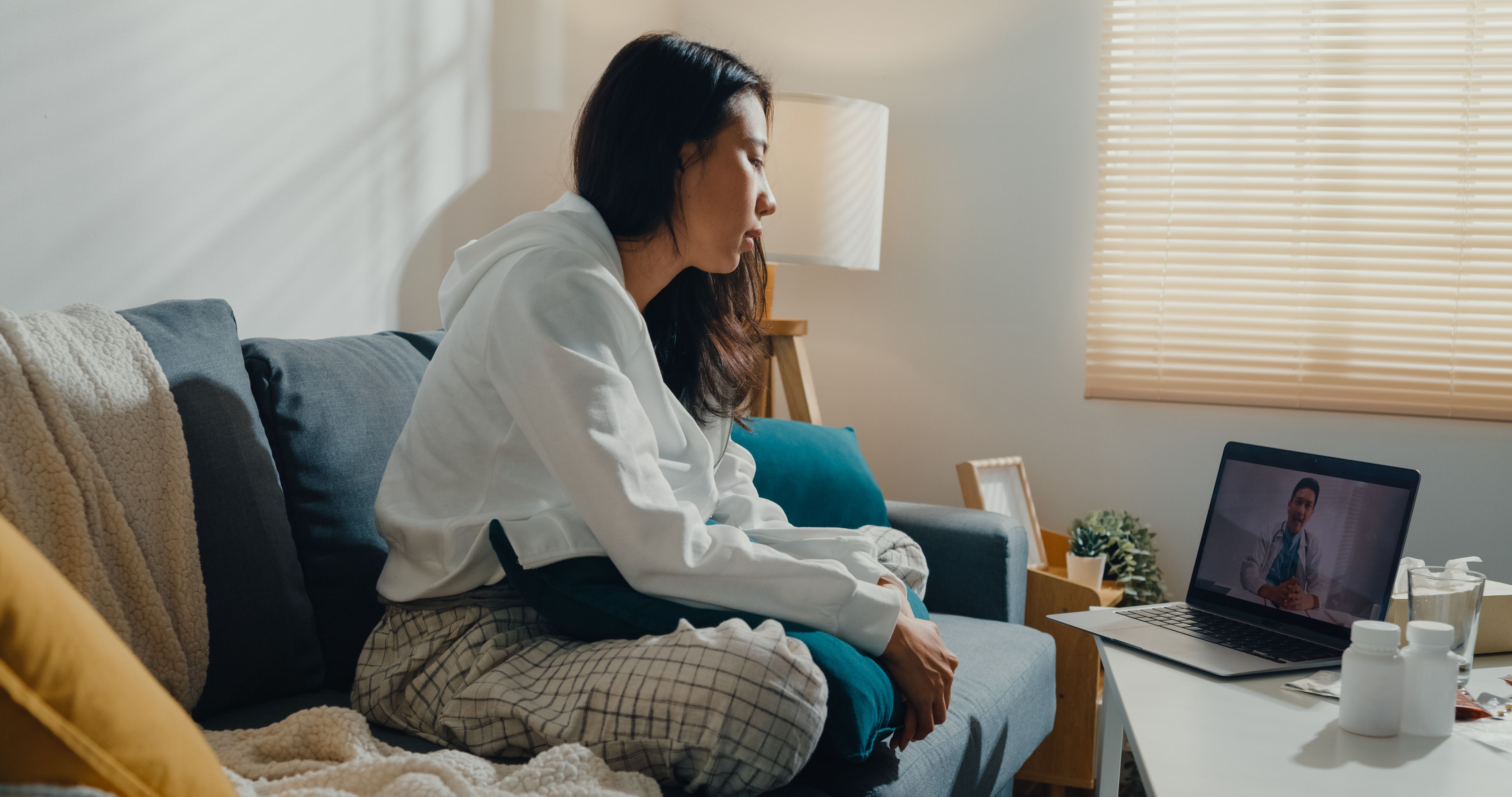
Myth 1: Virtual Therapy is Less Effective
One common myth is that virtual therapy is less effective than in-person sessions. Research shows that online therapy can be just as effective for many conditions, including anxiety and depression. The key is finding a qualified therapist with whom you feel comfortable and connected.
Moreover, virtual therapy offers unique benefits such as increased accessibility and convenience, allowing individuals to attend sessions from the comfort of their home. This can lead to more consistent attendance and engagement.
Myth 2: It's Harder to Build Trust Online
Building trust is a fundamental aspect of therapy, and some believe it's difficult to achieve through a screen. However, many therapists are trained to create a supportive and empathetic environment online. The use of video calls can still convey non-verbal cues, helping to establish a strong therapeutic alliance.

In fact, some clients find it easier to open up from their own space, free from the pressures of a clinical setting. This comfort can enhance openness and honesty in sessions.
Myth 3: Technical Issues Disrupt Sessions
Technical glitches are a concern for some, but with advancements in technology, these issues have become less frequent. Reliable internet connections and user-friendly platforms have minimized disruptions, ensuring a smooth session experience.
Therapists often have contingency plans in place, such as switching to a phone call or rescheduling if necessary, ensuring that therapy remains uninterrupted.
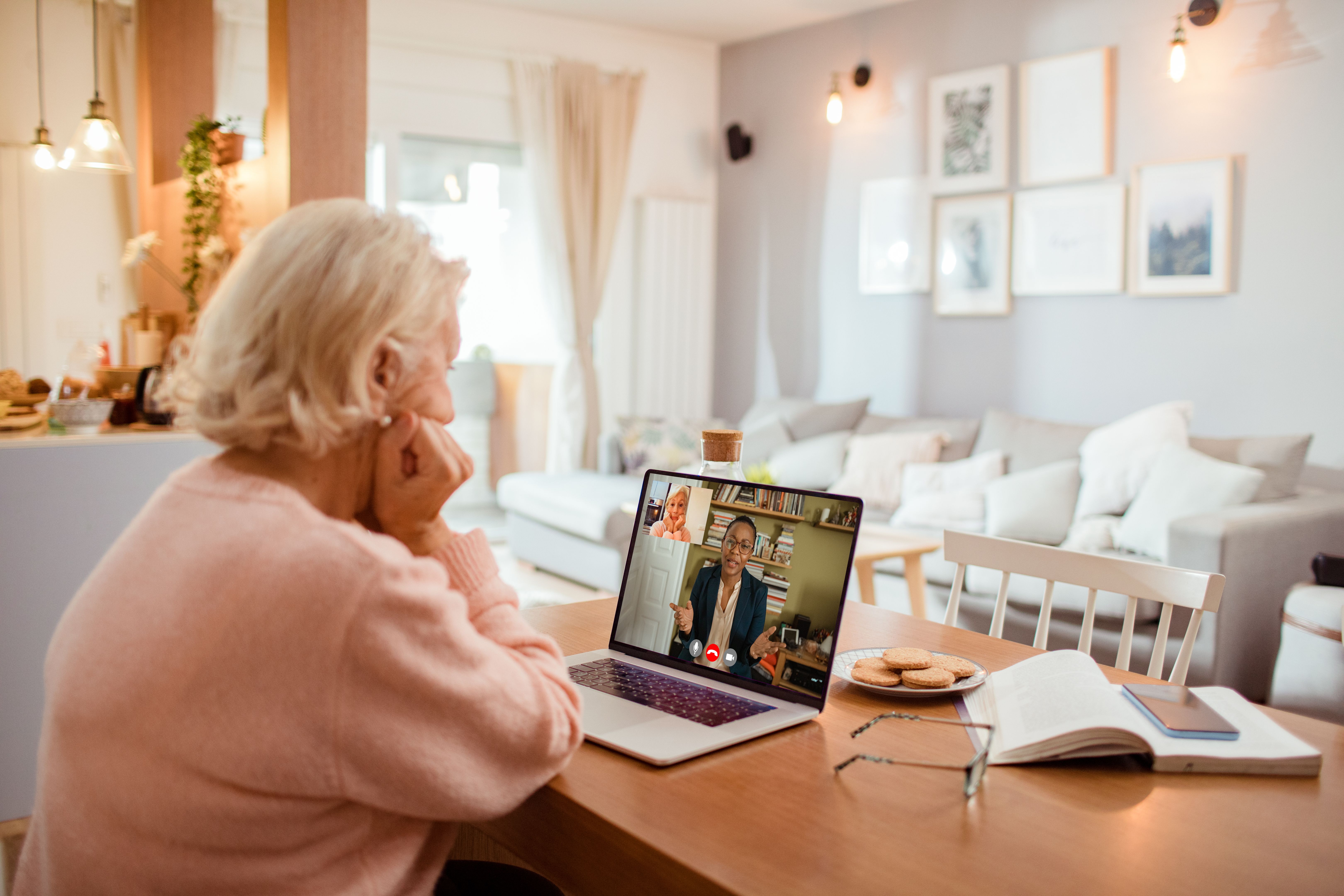
Myth 4: Privacy is Compromised
Privacy concerns are understandable, but therapists use secure, encrypted platforms to conduct sessions, safeguarding confidential information. It's essential to choose a therapist who prioritizes and adheres to privacy standards.
By following recommended security practices, both therapists and clients can feel confident that their sessions remain private and secure.
Myth 5: It's Only for Tech-Savvy Individuals
Another misconception is that virtual therapy is suitable only for those who are tech-savvy. Most platforms are designed to be user-friendly, with straightforward instructions and customer support available to assist with any technical difficulties.
Therapists often provide guidance on how to use the necessary tools, ensuring that everyone, regardless of their tech skills, can access virtual therapy.
By debunking these myths, we can better understand the true potential and benefits of virtual therapy, making mental health care more accessible to all.
To learn more about how I can support you visit my website and
🔗 Book a session at https://sparkofclaritycounselling.com/contact